






The shift to hybrid and remote work has reshaped how businesses operate, creating new opportunities for flexibility and efficiency. However, it has also exposed the weaknesses of outdated, paper-based processes. When your team is spread across different locations, how do you handle essential tasks like submitting expense reports, onboarding new hires, or processing client intake? Relying on printed documents that need to be mailed, scanned, or physically handled creates frustrating bottlenecks. The solution is simpler and more powerful than you might think: digital forms. By replacing paper documents with intelligent, automated forms, you can create seamless workflows that connect your team, no matter where they are working. This transition isn’t just about reducing paper; it’s about building a more agile, productive, and connected organization for the modern era.
The Problem with Paper in a Hybrid Workplace
Before exploring the benefits of digital solutions, it’s essential to understand the limitations of traditional, paper-based systems in a remote-first world. Paper documents are inherently tied to a physical location. This creates significant challenges for distributed teams.
Consider a common process, like employee expense reimbursement. An employee fills out a paper form, attaches physical receipts, and then has to find a way to get it to the finance department. This might involve driving to the office, using mail services, or relying on a clunky scan-and-email method. Each step introduces delays and the potential for documents to get lost or damaged. Once the form arrives, it still needs to be manually entered into an accounting system, reviewed, approved, and physically filed.
This manual approach is not just inefficient; it’s a drain on resources. Time spent chasing signatures, correcting data entry errors, and searching for misplaced files is time that could be spent on strategic initiatives. Furthermore, physical documents present a security risk. Sensitive information on a piece of paper is difficult to track and secure, especially when it’s being transported between home and office. These challenges are why so many forward-thinking companies are moving away from paper and embracing smarter alternatives.
How Digital Forms Revolutionize Your Workflows
Digital forms transform slow, manual tasks into fast, automated processes. Instead of a static piece of paper, you get an interactive tool that can capture, validate, and route information automatically. This fundamental change unlocks a new level of efficiency for remote and hybrid teams.
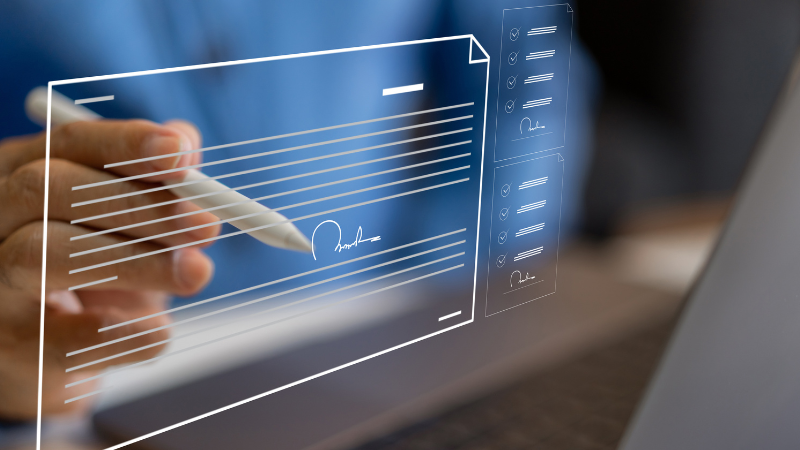
Imagine that same expense reimbursement process using digital forms. An employee opens a secure form on their phone or laptop, fills in the required fields, and attaches photos of their receipts directly from their device. The form can be designed with conditional logic, showing only relevant fields based on previous answers, which minimizes errors. Once submitted, the form is instantly routed to their manager for digital approval. The manager receives a notification, reviews the submission, and approves it with a single click. From there, the data is automatically synced with the accounting software, and the employee is notified that their reimbursement is being processed.
This level of automation can be applied to countless business operations:
- Streamline new hire onboarding, benefits enrollment, performance reviews, and time-off requests.
- Accelerate client intake, contract generation, and customer feedback collection.
- Simplify IT support tickets, equipment requests, and compliance checklists.
By implementing digital forms, you eliminate the friction of manual data entry and document handling, allowing your team to focus on meaningful work that drives the business forward.
Enhancing Data Accuracy and Security with Digital Forms
One of the most significant advantages of using digital forms is the dramatic improvement in data quality and security. Paper forms are prone to human error—illegible handwriting, incomplete fields, and calculation mistakes are common issues that require time-consuming follow-up.
Digital forms can be built with validation rules that ensure that information is entered correctly from the start. For example, a form can require a valid email address format, ensure a ZIP code has the right number of digits, or even perform calculations automatically. This “right-the-first-time” approach prevents bad data from ever entering your systems, saving countless hours of administrative cleanup.
From a security standpoint, digital forms offer robust controls that paper cannot match. Access can be restricted to authorized users, ensuring sensitive information, such as employee records or client financial data, is only viewed by those who need it. Every submission, edit, and approval is logged in a digital audit trail, providing a clear record of who did what and when. This is essential for maintaining compliance with regulations like GDPR or HIPAA. According to the U.S. Small Business Administration, maintaining organized and secure records is a cornerstone of sound business management, and digital systems provide the most reliable way to achieve this.
Choosing the Right Path to Digital Transformation
Embracing digital forms is a key step in modernizing your business operations, but it’s important to approach the transition thoughtfully. The goal is not just to create digital copies of your existing paper forms but to rethink and optimize the entire workflow. Start by identifying the most paper-intensive, repetitive, and frustrating processes within your organization. These are often the best candidates for digitization, as they will deliver the most immediate and visible return on investment.
Engage your team in the process. The people who use these forms every day are your best resource for understanding the current pain points and designing a better future state. A successful implementation goes beyond technology; it involves empowering your team with tools that make their jobs easier and more fulfilling. By taking a strategic approach, you can build a system that is not only efficient, but also scalable, adapting to your business needs as your organization grows. The transition also aligns with broader sustainability goals, as reducing paper consumption has a positive environmental impact, a point often emphasized by organizations like the Environmental Protection Agency (EPA).
Ready to Streamline Your Hybrid Team’s Workflow?
If your business is struggling with the inefficiencies of paper-based processes in a hybrid work environment, it’s time to explore the power of automation. By implementing digital forms, you can eliminate bottlenecks, improve data accuracy, enhance security, and empower your team to perform at its best, regardless of location.
Empower your business with smarter, faster, and more efficient workflows. Contact us today to discover how our digital forms solutions can simplify data collection and improve productivity. We proudly serve businesses across Philadelphia, eastern Pennsylvania, New Jersey, and Delaware.
