








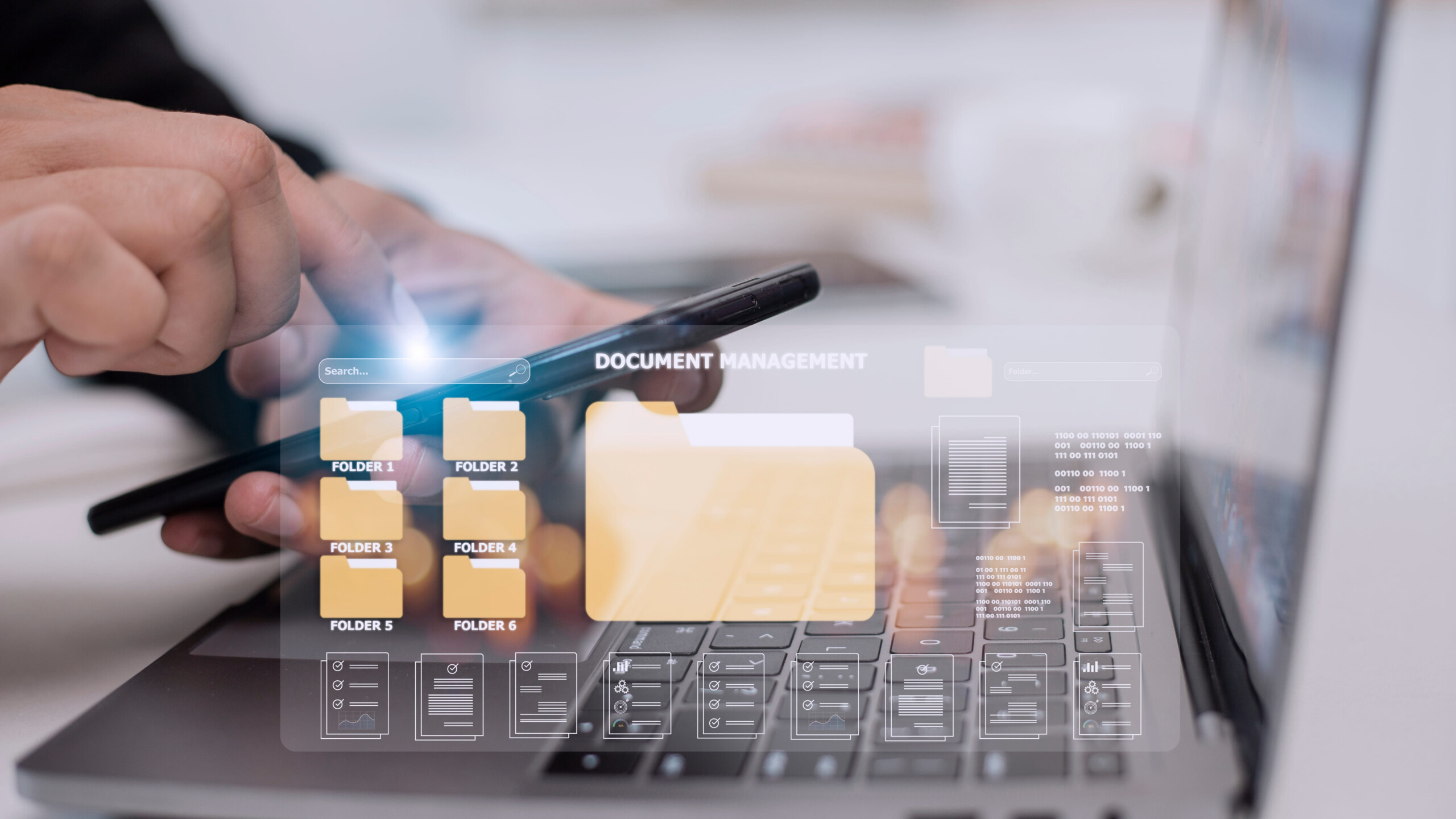
Document conversion services help businesses turn paper files, microfilm, and other physical records into searchable, digital documents.
For organizations managing file cabinets, storage boxes, or outdated systems, this process makes it easier to access information, improve efficiency, and reduce reliance on paper. In many cases, document conversion is the first step toward a more connected, digital workflow through conversion services.
What Are Document Conversion Services?
Document conversion services involve scanning and digitizing physical records so they can be stored, searched, and managed electronically.
This can include:
- Paper documents and files
- Large-format drawings
- Microfilm and microfiche
- Archived records and backfiles
Once converted, documents are indexed and organized so they can be quickly retrieved—eliminating the need to manually search through physical files.
When Do Businesses Need Document Conversion?
Many organizations turn to document conversion when paper-based systems begin to slow them down.
Common scenarios include:
- Running out of physical storage space
- Difficulty locating documents quickly
- Compliance or record retention requirements
Transitioning to a document management system
- Supporting remote or hybrid teams
In these situations, converting documents to digital format helps improve access and streamline day-to-day operations.
What Is Backfile Scanning?
Backfile scanning refers to converting existing paper records—often years of accumulated files—into digital format.
This is especially common for:
- Legal and medical records
- Financial documents
- HR files
- Archived project files
Backfile scanning allows organizations to retain important historical data while reducing physical storage and making information easier to access.
What Is Intelligent Data Capture?
Intelligent data capture goes beyond basic scanning by automatically extracting key information from documents.
Instead of simply creating an image of a file, this process can:
- Identify document types
- Extract specific data fields
- Route documents into workflows
Many organizations also improve how incoming documents are captured, classified, and routed through mailroom and intake automation.
Integrate with business process automation systems
This reduces manual data entry and helps improve accuracy and efficiency across the organization.
Common Challenges with Paper-Based Systems
Organizations relying on paper often experience:
- Time lost searching for documents
- Limited access across departments or locations
- Risk of lost or damaged records
- High storage and administrative costs
Document conversion helps address these challenges by making information accessible, searchable, and easier to manage.
What to Look for in a Document Conversion Provider
If you’re considering document conversion services, it’s important to choose a provider that aligns with your needs.
Look for:
- Experience with large-scale and complex projects
- Secure handling of sensitive documents
- Strong indexing and organization capabilities
- Ability to integrate with existing systems
- Scalable solutions that support future growth
If you’re evaluating options, starting with a review of your current environment can help determine the right approach and scope for your business through a conversion services assessment.
Is Document Conversion the Right Next Step?
For many organizations, document conversion isn’t just about going paperless—it’s about improving how information is accessed, shared, and used across the business.
If your team is spending time searching for files, managing storage, or working around paper-based processes, it may be worth evaluating whether a digital approach would improve efficiency.
Even a quick review of your current setup can help identify where document conversion could make the biggest impact.
Get Started
If you’re considering document conversion—or just want a second opinion on your current process—KDI can help you evaluate your options and identify the best path forward.
Start with a quick assessment to see what makes sense for your business.
Related Document Workflow Solutions
Enterprise Content Management
Organize, manage, and securely access business documents and information from one connected system.
Document Management Systems
Improve accessibility, reduce paper dependency, and simplify how documents move through your business.
Conversion Services
Digitize paper records and legacy documents to improve access, storage, and workflow efficiency.
Business Process Automation
Reduce manual tasks and streamline repetitive document-driven workflows across your organization.
Document Workflow Assessments
Identify bottlenecks, inefficiencies, and opportunities to improve how information moves through your business.
Start Here →
Not sure where to begin? Start the conversation and we’ll help point you in the right direction.
