








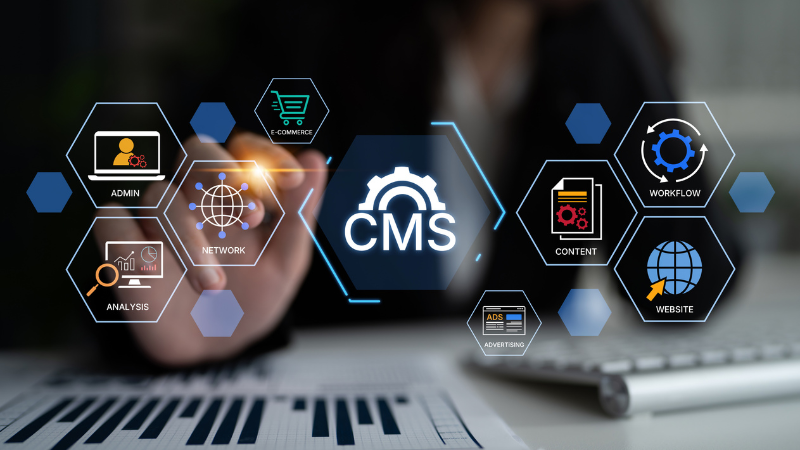
Managing your business information and content needs more than just an effective filing system. You might not realize it, but you’re sitting on a goldmine of valuable customer data and actionable business insights. Much of this data is unstructured and underutilized, and could represent a useful business resource. Discover how Enterprise Content Management brings this data together and makes it both usable and profitable for your firm.
What Is Enterprise Content Management?
Enterprise Content Management (ECM) is an umbrella term for systems, processes, and tools used to collate and leverage business data. This data may include:
- Invoices
- Receipts
- Emails between business associates and partners
- Messages from customers
- Databases
- Spreadsheets
- Company knowledge systems
And many more sources of information that you and your employees use to perform daily tasks.
The problem with these types of data is that they’re often spread over several systems and stored in different formats. Many businesses find that there isn’t a single system they can go to that will provide data from any other system. Instead, they either have to manually collate data or simply miss out on the insights hidden in customer emails and internal PDFs.
ECM offers a solution: Enterprise Content Management is the digitalization and centralization of all your company’s data and documents. It allows you to determine how documents are accessed and managed and empowers you to set access and utilization rules across your entire organization.
Support from an ECM partner helps you improve documentation workflows, streamlining documentation processes throughout your business.
ECM isn’t new, but it is an approach that’s being rapidly adopted by savvy businesses needing to manage huge volumes of data. Statistics show that the ECM market is set to soar to a value of $95.76 billion by the year 2031. Companies that don’t invest in ECM solutions could end up being left behind.
The Link Between ECM and Digital Transformation
Implementing an ECM approach can be a key aspect of a business’s digital transformation strategy. Paper documents – such as physical receipts and invoices – can be digitized and stored either locally or in secure cloud systems. ECM processes can ensure that the data from these paper documents becomes easily accessible to authorized personnel.
ECM also streamlines the process of digital transformation. By creating clear workflows and processes for digital documentation, businesses can prevent data silos, which are caused when business information is inaccessible or stored in systems that simply won’t integrate with other business tools. Data can also become siloed when it’s stored in multiple formats or across too many different systems. ECM bypasses these silos by creating centralized digital repositories of data. Employees can access the information they need faster, improving experiences for clients or customers.
Satisfied customers also spend more money with your firm and will recommend you to their friends, families, and colleagues. That boosted brand reputation can be one of the most valuable aspects of investing in the ECM approach to documentation management.
Business Benefits of Enterprise Content Management
The ability to access relevant data quickly and easily supports business continuity and employee productivity. Your employees can spend more time on business-critical tasks rather than becoming bogged down in searching for hidden information.
Here are some other key benefits of ECM:
- Collation of unstructured content: Data that appears in PDFs, emails, and messages is tricky to place into traditional data repositories like spreadsheets. ECM solutions ensure that the data within these documents is accessible and actionable for your business.
- Better collaboration: Different areas of your business can communicate more effectively and collaboratively, thanks to easy access to data that’s relevant to all parties. Similarly, there are more streamlined ways to locate and view data for partners and clients, making external communications more effective.
- Smarter finances: Storing and utilizing all aspects of data, from paper invoices to purchase orders, ensures accurate financial reporting. Businesses find that they leave less money on the table by using matched and approved payments, deliveries, bills, and even tax records. More accurate financial records result in an easier tax season, plus fewer uncomfortable conversations with late-paying clients.
- Implementation of automation: When data is available from a single repository, automation of various tasks is possible. Payroll, for example, is simpler when employee details are autofilled from relevant files. Newsletters and reports can use a single template that autofills with figures from the latest reports.
There are so many ways that ECM takes the administrative burden away from your teams, giving them back the time to interact with clients and work on growing your business.
Better Ways to Manage Your Business Data
Implementing ECM isn’t about installing one single system. In most cases, you’ll work with a trusted partner to digitize and collate your existing data and connect to your continuous data sources. From here, it’s about creating a centralized repository of information that connects to all your relevant business systems and tools.
The steps to implementing ECM may vary from business to business, but your roadmap may look something like this:
- Audit your existing business data or work with an experienced partner to assess existing documentation processes.
- Categorize content, for example, “living” documents that change regularly or fixed information that will remain static.
- Set data governance rules in place and ensure they meet regulatory requirements for your industry.
- Ensure all stakeholders are involved in a collaborative approach to content management.
- Implement methods for collating and sorting unstructured data and content.
To improve how your business manages data, it’s important to evaluate your current processes and identify where inefficiencies exist. Setting clear goals for your ECM strategy is also key—whether that’s reducing costs, increasing productivity, or eliminating data silos.
With over 400 million terabytes of data generated worldwide every day, businesses that don’t have a strategy in place risk underutilizing a valuable resource. Solutions like Enterprise Content Management and workflow automation help bring structure, visibility, and efficiency to how information is managed across your organization. Our experienced team works with businesses just like yours across Philadelphia, Eastern Pennsylvania, New Jersey, and Delaware.
If you’re looking to better manage your data and streamline operations, start by exploring your options or take the next step with a personalized assessment. From document management to business process automation, KDI helps organizations implement connected solutions that improve efficiency and support long-term growth.
Related Document Workflow Solutions
Enterprise Content Management
Organize, manage, and securely access business documents and information from one connected system.
Document Management Systems
Improve accessibility, reduce paper dependency, and simplify how documents move through your business.
Conversion Services
Digitize paper records and legacy documents to improve access, storage, and workflow efficiency.
Business Process Automation
Reduce manual tasks and streamline repetitive document-driven workflows across your organization.
Document Workflow Assessments
Identify bottlenecks, inefficiencies, and opportunities to improve how information moves through your business.
Start Here →
Not sure where to begin? Start the conversation and we’ll help point you in the right direction.
