







When businesses think about cybersecurity threats, they often picture sophisticated hackers breaking through firewalls or exploiting complex software vulnerabilities.
In reality, many cyber attacks targeting businesses begin with phishing emails or other social engineering tactics designed to trick employees into giving attackers access.
A single click on a phishing email, a reused password, or an unauthorized application download can give attackers the access they need to compromise business systems, steal data, or disrupt operations.
While technology plays an important role in protecting organizations, cybersecurity today requires a combination of smart tools, clear policies, and informed employees.
In fact, cybersecurity research consistently shows that most successful cyberattacks begin with phishing emails or other forms of social engineering — making employee awareness one of the most important defenses any organization can have.
Why Many Cyber Attacks Start With Employees
Cybercriminals increasingly focus on the easiest entry point into a business network: people.
Instead of attempting to break through advanced security systems, attackers often rely on tactics designed to trick employees into granting access themselves.
Common examples include:
-
Phishing emails designed to look like legitimate messages
-
Fake login pages that capture usernames and passwords
-
Attachments or links that install malware
-
Requests that appear to come from trusted contacts or vendors
Because these attacks rely on human behavior rather than technical vulnerabilities, they can bypass traditional security measures if the right safeguards are not in place.
A strong security strategy often begins by learning how to evaluate business technology solutions so organizations can identify risks and ensure new systems strengthen overall protection.
How Phishing Attacks Work in Business Environments
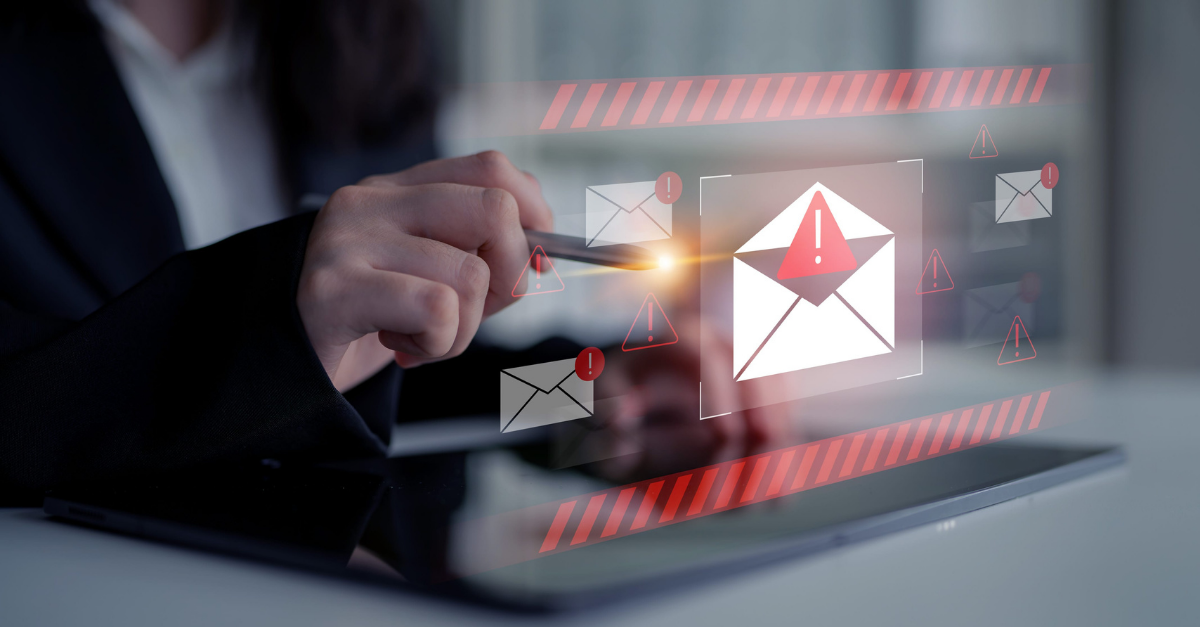
Phishing remains one of the most common cybersecurity threats facing businesses today.
An employee might receive an email that appears to come from a bank, software provider, or even a company executive. The message may request an urgent password reset, invoice review, or account verification.
When the employee clicks the link or opens the attachment, they may unknowingly:
-
Enter login credentials into a fraudulent website
-
Download malware that spreads across the network
-
Grant attackers access to sensitive systems or data
Because these emails often appear legitimate, even experienced employees can occasionally be caught off guard.
Why Technology Alone Isn’t Enough
Firewalls, antivirus software, and endpoint protection are essential parts of any cybersecurity strategy. However, technology alone cannot eliminate risk.
Effective cybersecurity requires a layered approach that includes:
-
Secure authentication and access controls
-
Email filtering and threat detection
-
Continuous monitoring of network activity
-
Clear policies for employees using company systems
-
Ongoing user awareness and security training
When these elements work together, organizations can significantly reduce the likelihood that a simple mistake becomes a serious security incident.
Businesses exploring ways to strengthen their defenses often begin by reviewing their current environment and identifying potential vulnerabilities.
Learn more about how modern IT and cybersecurity strategies help organizations reduce risk and protect critical systems.
Understanding the Most Common Cybersecurity Entry Point
Most cyberattacks targeting businesses begin with human interaction — typically a phishing email, malicious link, or compromised password. When employees unknowingly interact with these threats, attackers can gain access to business systems, data, and networks.
Strong cybersecurity combines technology, monitoring, and employee awareness to reduce these risks before they spread.
Organizations that take a proactive approach — including modern cybersecurity tools, clear security policies, and ongoing monitoring — are better positioned to detect threats early and protect business operations.
Businesses looking to strengthen protection can learn more about KDI’s IT and cybersecurity solutions or request a Managed IT & Security Assessment.
Strengthening Cybersecurity Across Your Organization
Cybersecurity should support business operations — not slow them down. With the right approach, organizations can protect their systems while keeping employees productive and connected.
Solutions often include:
-
Endpoint protection across laptops, desktops, and mobile devices
-
Secure authentication and identity management
-
Email security and phishing protection
-
Real-time system monitoring and alerts
-
Ongoing management and support from experienced IT professionals
Many organizations also benefit from proactive oversight that identifies potential threats before they escalate. Managed monitoring and support can help ensure systems remain secure while minimizing disruption to daily operations.
Organizations interested in evaluating their current environment can start with a Managed IT & Security Assessment to identify potential risks and opportunities for improvement.
Building a Stronger Cybersecurity Strategy
Cybersecurity is no longer just an IT issue — it is a business priority that affects operations, data protection, compliance, and customer trust.
By combining the right technology with informed employees and proactive monitoring, organizations can significantly reduce the risks associated with today’s evolving threat landscape.
At KDI, we help businesses strengthen their cybersecurity posture through practical strategies, modern security tools, and ongoing IT support designed to keep systems running securely and efficiently.
If you’re interested in exploring ways to improve cybersecurity within your organization, a Managed IT & Security Assessment can provide insight into your current environment and potential next steps.
Cybersecurity FAQs for Businesses
What is the most common cause of cybersecurity breaches?
Many cybersecurity breaches begin with phishing emails, weak passwords, or other everyday user actions. Cybercriminals often target employees rather than attempting to break through complex technical defenses. Implementing strong security policies, employee awareness training, and modern cybersecurity tools can significantly reduce these risks.
How can businesses protect themselves from phishing attacks?
Businesses can reduce phishing risks by combining multiple layers of protection, including email filtering, endpoint protection, secure authentication, and employee awareness training. Monitoring systems that identify suspicious activity can also help detect threats before they spread throughout the network.
Organizations exploring ways to strengthen their protection can learn more about KDI’s IT and cybersecurity solutions designed to reduce risk and improve system security.
What does a cybersecurity assessment include?
A cybersecurity assessment reviews an organization’s current IT environment to identify potential vulnerabilities, security gaps, and areas for improvement. This typically includes reviewing access controls, endpoint protection, monitoring capabilities, and security policies to ensure systems are properly protected.
A cybersecurity assessment reviews an organization’s current IT environment to identify vulnerabilities, security gaps, and opportunities to strengthen protection.
Why is proactive monitoring important for cybersecurity?
Cyber threats can develop quickly. Proactive monitoring helps identify suspicious activity early so issues can be addressed before they escalate into system downtime, data loss, or operational disruptions. Continuous monitoring and alerts provide visibility into potential risks across the organization’s IT environment.
Many organizations rely on managed IT services to provide ongoing monitoring and security support across their systems.
For organizations that want to better understand their current technology environment and security posture, a Managed IT & Security Assessment can help identify vulnerabilities, review existing protections, and highlight opportunities to strengthen both IT performance and cybersecurity.